

Introduction
This blog post on Understanding ISA/IEC 62443: Cybersecurity Training for Industrial Professionals explores the importance of Understanding ISA/IEC 62443: cybersecurity training and the ISA/IEC 62443: framework.
Understanding ISA/IEC 62443: is essential for professionals in industrial automation.
Understanding ISA/IEC 62443: is essential for professionals in industrial automation and is a stepping stone to ensuring effective security measures.
The rise of industrial automation has brought about significant advancements in productivity and efficiency across various sectors. However, this technological evolution comes hand in hand with increased vulnerabilities and threats, particularly in the realm of cybersecurity. As a response to these challenges, ISA/IEC 62443 emerges as a critical cybersecurity framework tailored specifically for industrial automation and control systems (IACS). This article delves into the importance of cybersecurity training for professionals operating within these sectors, highlighting the necessity of compliance with the ISA/IEC 62443 standard.
By embracing Understanding ISA/IEC 62443:, companies can safeguard their systems against cyber threats and ensure compliance.
Overview of ISA/IEC 62443
ISA/IEC 62443 is a series of standards and guidelines developed by the International Society of Automation (ISA) and adopted widely by the International Electrotechnical Commission (IEC). This standard provides a comprehensive framework aimed at securing industrial automation and control systems from cyber threats, emphasizing risk management and a system-oriented approach to security.
These standards encompass various aspects, such as system security lifecycle, security capabilities, and the establishment of a security program. The ISA/IEC 62443 framework assists organizations in assessing their current security posture, identifying vulnerabilities, and implementing appropriate mitigations. Understanding these standards is vital for professionals in industrial sectors, as they ensure that organizations maintain robust cyber defenses against increasingly sophisticated cyberattacks.
By focusing on Understanding ISA/IEC 62443:, organizations can better protect themselves against cyber threats.
Understanding ISA/IEC 62443: is critical to formulating effective cybersecurity strategies and training protocols.
Significance of Cybersecurity in Industrial Environments
The industrial sector is a prime target for cybercriminals due to the potential consequences of a successful attack. Disruptions can lead to severe financial losses, reputational damage, and even risks to human life. As industries become more interconnected through IoT and cloud technologies, the attack surface widens, making cybersecurity a top priority for organizations.
Furthermore, the implications of poor cybersecurity extend beyond immediate financial losses. Organizations may face regulatory fines, legal liabilities, and a loss of customer trust. Consequently, understanding and implementing effective cybersecurity measures are not merely beneficial but essential for the survival and continuity of industrial operations.
Cybersecurity Frameworks
The framework of Understanding ISA/IEC 62443: is comprehensive, addressing the nuances of industrial cybersecurity.
ISA/IEC 62443: A Comprehensive Framework
ISA/IEC 62443 constitutes a well-defined framework that includes guidelines for security management, policies, and procedures that are essential for safeguarding industrial systems. It is divided into several parts, addressing various sectors and aspects of cybersecurity, aimed at both operational technology (OT) and information technology (IT) environments. This dual focus represents a holistic approach to cybersecurity, ensuring that all facets of an organization’s operations are protected.
Implementing Understanding ISA/IEC 62443: standards can significantly mitigate security risks.
Key components of ISA/IEC 62443 include defining security levels, establishing guidelines for the selection of security measures, and developing a security risk assessment process. By adhering to this framework, organizations can not only mitigate risks but also enhance their ability to respond to incidents when they occur, thus fostering resilience within their industrial processes.
Comparison with Other Cybersecurity Standards
While ISA/IEC 62443 is specific to industrial environments, it can be compared to other cybersecurity standards such as NIST Cybersecurity Framework, ISO 27001, and GDPR for their overarching principles. The NIST Cybersecurity Framework, for instance, provides a flexible approach applicable across various sectors including the industrial domain, yet ISA/IEC 62443 offers targeted guidelines that cater to the unique challenges faced by industrial control systems.
ISO 27001 focuses on information security management, which, while critical, does not address the specific needs of industrial automation. GDPR, on the other hand, is more about protecting personal data and does not encompass the broader industrial cybersecurity landscape. ISA/IEC 62443 fills these gaps, making it indispensable for professionals involved in industrial cybersecurity.
For organizations, Understanding ISA/IEC 62443: not only fills cybersecurity gaps but also reinforces compliance with industry regulations.
Role of Training in Compliance
Importance of Cybersecurity Certification
Training programs that emphasize Understanding ISA/IEC 62443: can lead to improved security posture.
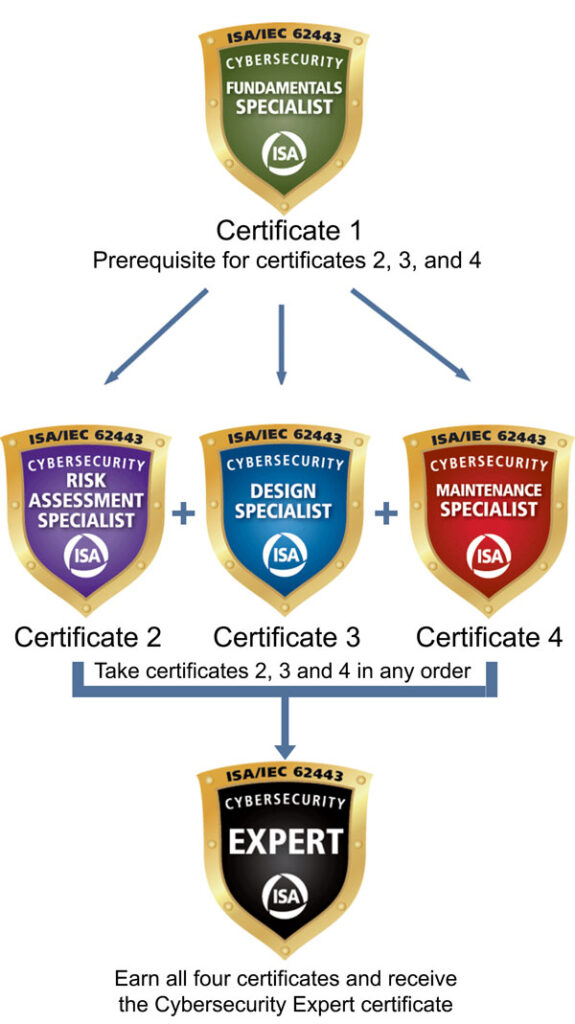
As organizations look to comply with the ISA/IEC 62443 standard, the role of cybersecurity training cannot be overstated. Achieving certification in relevant cybersecurity protocols provides professionals with the necessary knowledge and skills to implement effective security measures. Certifications related to ISA/IEC 62443 not only enhance personal credentials but also contribute to organizational compliance and security culture.
Furthermore, certifications serve as a benchmark, ensuring that individuals possess a recognized level of expertise. This is particularly crucial in industries where the stakes are high, and even minor lapses in security can lead to catastrophic outcomes. Certification programs often include practical components, ensuring that professionals can apply theoretical knowledge in real-world scenarios, thereby bolstering overall security readiness in their organizations.
By focusing on Understanding ISA/IEC 62443:, organizations can better equip their personnel.
Training Requirements for Compliance with 62443 Standard
To align with the ISA/IEC 62443 standards, organizations must assess their current workforce’s capabilities and identify gaps in knowledge and skills. Regular training sessions should be integral to an organization’s strategy, focusing on various aspects such as risk assessment, incident response, and the implementation of security technologies. Training should be tailored to different roles within the organization, addressing the unique needs of operators, engineers, and management personnel.
Continuous training in Understanding ISA/IEC 62443: is essential as threats evolve over time.
Moreover, compliance with the ISA/IEC 62443 standard necessitates ongoing education. Cybersecurity is an ever-evolving field, with new threats emerging regularly. Organizations must ensure that their workforce is kept up to date with the latest developments in cybersecurity trends and techniques through continuous professional development initiatives.
Assessing Training Needs for Industrial Professionals
Establishing proficiency in Understanding ISA/IEC 62443: will enhance operational security.
Conducting a thorough assessment of training needs is essential for organizations striving for compliance with ISA/IEC 62443. This process involves evaluating the existing skill levels of employees and identifying areas that require attention. Tools such as skill matrices or competency frameworks can help in mapping out the necessary training interventions.
Developing a training roadmap that incorporates both foundational knowledge and advanced topics is crucial. This roadmap should also include hands-on training opportunities, such as simulations and workshops, which can provide practical experience in dealing with real-life scenarios. Engaging employees in this manner not only enhances their learning but also fosters a proactive attitude towards cybersecurity.
Understanding ISA/IEC 62443: principles should be a cornerstone of training programs.
Best Practices for Industrial Security
Developing a Robust Security Culture
A robust training schedule around Understanding ISA/IEC 62443: will foster a vigilant workforce.
Creating a strong security culture within an organization is fundamental to effective cybersecurity. This involves fostering an environment where every employee recognizes their role in maintaining security, thereby promoting a collective responsibility for safeguarding assets. Leadership must actively endorse and model security practices, ensuring that security is integrated into the daily operations of the business.
Organizations can improve their security cultures through regular communication, training sessions, and awareness campaigns. Encouraging employees to report suspicious activities without fear of reprisal is vital for creating a transparent and responsive security environment. Additionally, recognizing and rewarding individuals or teams who demonstrate commitment to cybersecurity can reinforce desired behaviors and promote ongoing vigilance.
Organizations must integrate Understanding ISA/IEC 62443: into their overall security strategy.
Continuous Learning and Skill Development
In the rapidly evolving landscape of cybersecurity, continuous learning is paramount. Organizations should prioritize ongoing training and development to keep their workforce abreast of the latest threats, technologies, and best practices. Implementing a continuous learning framework can include mentorship programs, online courses, and participation in cybersecurity conferences and workshops.
Understanding ISA/IEC 62443: not only enhances compliance but also builds trust in industrial operations.
Moreover, fostering a culture of curiosity and innovation can lead to creative solutions for emerging cybersecurity issues. Encouraging employees to explore new tools, techniques, and approaches to security can stimulate growth and adaptation within the organization, enhancing overall resilience against cybersecurity threats.
Implementing Security Policies and Procedures
The future of cybersecurity hinges on organizations mastering Understanding ISA/IEC 62443: standards.
Effective cybersecurity hinges on the implementation of well-defined policies and procedures. Organizations should develop comprehensive security policies that outline expectations, responsibilities, and protocols for handling security-related incidents. These policies must be regularly reviewed and updated to reflect changes in the threat landscape and organizational structure.
Procedures for incident response should also be clearly articulated, ensuring that employees know how to act in the event of a security breach. Regular drills and simulations can help to instill confidence in staff and clarify their roles during emergencies. By embedding these practices into organizational culture, companies can optimize their response to potential threats and minimize the impact of breaches when they occur.
Ultimately, understanding the nuances of Understanding ISA/IEC 62443: ensures robust incident response protocols.
Conclusion
Future of Cybersecurity Training in Industry
Professionals must prioritize Understanding ISA/IEC 62443: in their ongoing education to stay relevant.
The future of cybersecurity training in industrial environments is likely to see significant advancements, driven by technological innovations and the increasing complexity of cyber threats. As industries evolve, so too must the training programs designed to equip professionals with the skills necessary to navigate these challenges. Emphasizing practical, hands-on learning experiences will be crucial in preparing the workforce for the realities of modern cyber threats.
Moreover, the integration of artificial intelligence and machine learning into training programs could provide tailored learning experiences, enhancing the efficacy of training initiatives. Organizations that embrace these advancements will not only comply with standards like ISA/IEC 62443 but will also position themselves as leaders in cybersecurity resilience.
Summary of Main Points
In summary, understanding and implementing ISA/IEC 62443 is critical in today’s industrial landscape. The framework offers a comprehensive approach to securing industrial automation and control systems against cyber threats. Moreover, the importance of cybersecurity training cannot be overstated, as it is foundational to compliance, risk management, and the development of a robust security culture within organizations.
In conclusion, Understanding ISA/IEC 62443: serves as a vital framework for modern cybersecurity solutions.
Continuous learning, tailored training programs, and the implementation of stringent security policies are essential components for organizational success in cybersecurity. By investing in these areas, professionals can ensure the longevity and integrity of their industrial operations, ultimately contributing to a more secure and resilient future.
FAQs
Understanding ISA/IEC 62443: principles can guide organizations toward improved security measures.
What is the ISA/IEC 62443 standard?
ISA/IEC 62443 is a series of standards that provide a cybersecurity framework specifically designed for industrial automation and control systems, focusing on securing these systems against cyber threats. More information about this standard click here.
Why is cybersecurity important in industrial environments?
Cybersecurity is crucial in industrial environments because they are prime targets for cyberattacks that can lead to severe financial losses, operational disruptions, and potential risks to human safety.
How can organizations assess their cybersecurity training needs?
Organizations can assess their cybersecurity training needs by conducting skills assessments, utilizing competency frameworks, and identifying gaps in knowledge across different roles within the workforce.
What are the best practices for fostering a security culture?
Best practices for fostering a security culture include leadership endorsement of security practices, regular communication, training sessions, and encouraging employees to report suspicious activities without fear of reprisal.
What training options are available for ISA/IEC 62443 compliance?
Training options for ISA/IEC 62443 compliance include certification programs, workshops, online courses, and practical hands-on training through simulations and real-world scenarios.